Clinician Fulfillment in Medicine
January 3, 2025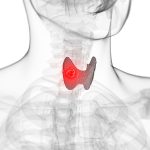
Top Questions in the Diagnosis and Management of Hypothyroidism and Hyperthyroidism
January 9, 2025
FEATURED Medical education topic: Human Trafficking
Each year, millions of men, women, and children are trafficked worldwide, including in the United States. Recognizing key indicators of human trafficking is the first step in identifying victims and can help save lives. Healthcare providers are often the only professionals to interact with trafficking victims who are still in captivity but often fail to recognize these victims’ situations. According to a 2014 survey of about 100 survivors of sex trafficking, 88% said that while they were trafficked, they had contact with a healthcare provider, typically in the emergency department. Recently a California senate bill was signed, designed to identify better and help human trafficking victims by offering increased confidentiality and referral services to help break the cycle of abuse. It is essential for healthcare providers to know about trafficking and specific tools they can use to assist victims in the clinical setting.
Proposed Learning Objectives:
At the conclusion of this activity, the learners will be able to:
- Define types of human trafficking
- Explain the role of the healthcare provider in recognizing and responding to trafficking victims and survivor
- Specify how to report cases or suspected cases of human trafficking
- Outline the various types of cultural diversities (gender, age, race, religion, ethnicity, language, sexual orientation, socio-economic, etc.) that may relate human trafficking
If your medical staff needs an update on human trafficking, consider contacting our office to book a speaker at 877-505-4777 or info@speakersnetwork.com.

info@speakersnetwork.com
References:
https://www.dhs.gov/blue-campaign/what-human-trafficking
https://www.ncbi.nlm.nih.gov/pmc/articles/PMC5699819