

You Asked, We Answered
July 1, 2026
Stress Management and Physician Burnout
July 13, 2026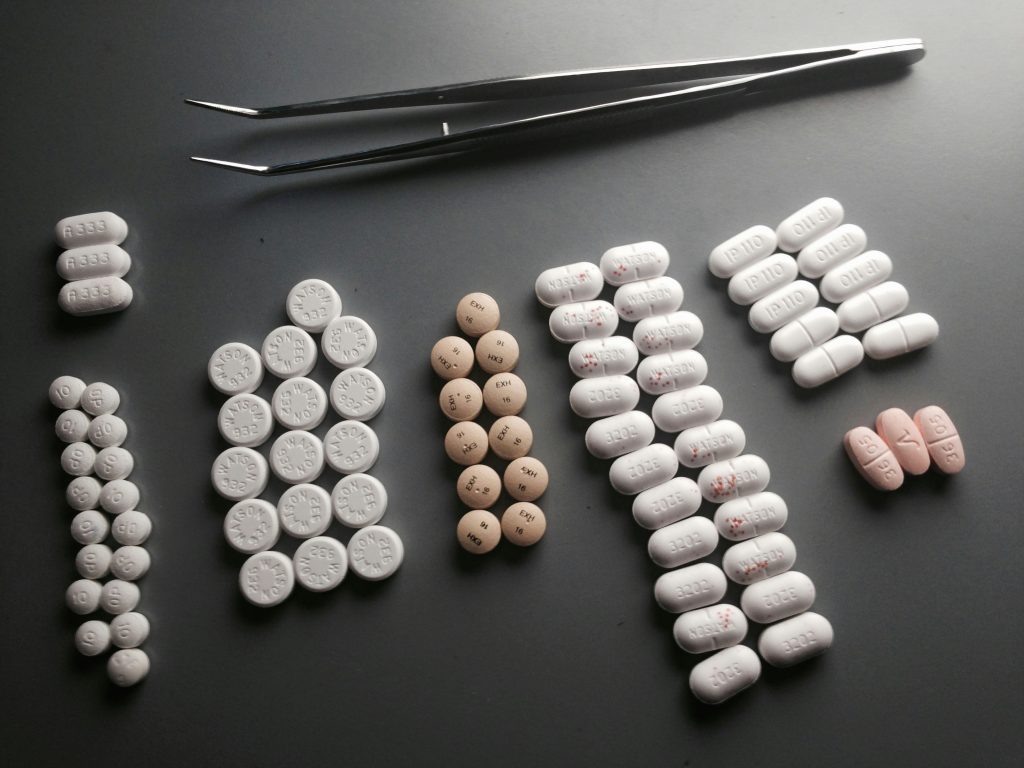
CME TOPIC SPOTLIGHT: The Challenge of Worldwide Drug Shortages and Patient Care
What is the problem?
Drug shortages can arise from a variety of factors, including manufacturing disruptions, quality-control issues, supply chain delays, surges in demand, and product discontinuations. These shortages can significantly affect patient care by interrupting drug therapy, delaying or compromising medical treatment, and contributing to poorer health outcomes. Active drug shortages in the United States are trending upward again in 2026, with particularly notable impacts on ADHD medications and other controlled substances, sterile injectable products, cancer therapies, and hormone therapy, including a nationwide shortage of estradiol patches driven by record demand for menopausal hormone therapy. As shortages persist, healthcare professionals must stay informed about current supply challenges and implement effective strategies to ensure continuity of care and minimize disruptions to patient treatment.
Proposed Learning Objectives
At the conclusion of this activity, the learners will be able to:
- Analyze the major causes and contributing factors of worldwide drug shortages and their impact on patient care
- Select safe and effective substitution strategies for medications affected by shortages
- Evaluate the clinical, safety, and legal risks associated with the use of alternative medications
If your medical staff needs a CME update on navigating drug shortages, consider contacting our office to book a speaker for a live, virtual, or hybrid meeting at 714-505-4777 or info@speakersnetwork.com.

info@speakersnetwork.com
REFERENCES
https://www.fda.gov/drugs/drug-safety-and-availability/drug-shortages
https://www.ahrq.gov/cahps/about-cahps/patient-experience/index.html
https://www.beckershospitalreview.com/pharmacy/us-drug-shortages-trending-upward-in-2026